I have always heard if you want to eat “healthy,” switch from rice to chapati. Rice was seen as the villain, and wheat was the safer choice. I followed that advice without questioning it… until my body told me otherwise. During my gestational diabetes phase, food stopped being just about taste and comfort. It became data. I started observing how my body responded to everything I ate — not what people said should work.
And here’s what surprised me the most: both rice and wheat were causing spikes. Agreed, the combination of of each varied variety of fibre and protein would give different results. But what gave me the the optimal result?
Instead of eliminating foods I loved, I began experimenting with how I built my plate. I didn’t switch overnight. I didn’t give up on my staples completely either because I was constantly craving yogurt rice those days. I just started replacing my meals with millets, pairing them with protein and vegetables.
This made my energy levels stable and I stayed fuller longer. Most importantly, my meals felt more balanced — not restrictive.
What I’ve learned since then is this: it’s not about labelling foods as “good” or “bad.” It’s about understanding how different foods work together.
I also learned that Millets have been part of traditional diets long before polished rice and refined wheat took over our plates. And now, going back to them is less like a diet change… and more like returning to something we always knew.
A Quick Look Back: Why Millets Matter
Why Millets Matter
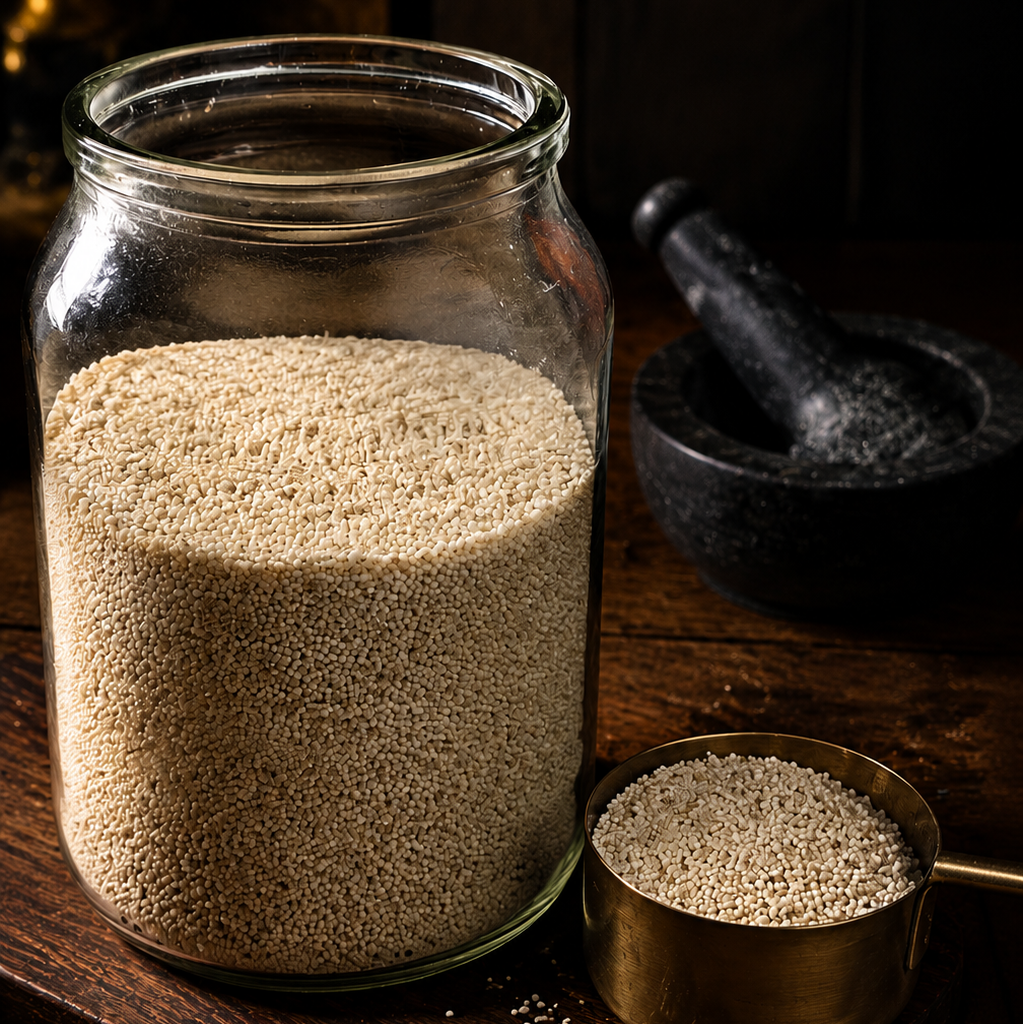
Long before polished rice and refined wheat took over our plates, millets were everyday staples in many Indian homes.
They were locally grown, naturally resilient, filling, and nutrient-dense.
Over time, convenience slowly shifted our diets toward refined grains. And while rice and wheat are absolutely still part of everyday eating, many of our meals became heavily carb-focused.
Millets offered me a way to bring more balance and variety back to the plate.
Compared to polished rice, millets generally offer:
- More fibre → helps slow digestion
- Better satiety → keeps you fuller longer
- Minerals like iron and magnesium
- More diversity in the grains we eat
Different Types of Millets
Foxtail millet is light and fluffy, making it great for upma, pulao, and rice-style meals.
Little millet has a soft, neutral texture that works well in everyday cooking.
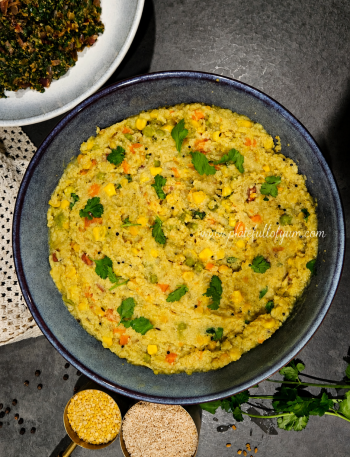
Barnyard millet cooks quickly and is perfect for pongal or khichdi.
Pearl millet (bajra) is hearty and warming, commonly used in rotis.
Finger millet (ragi) has an earthy flavour and is often used for porridge, dosa, and breakfast recipes.
Kodo millet and proso millet work beautifully in grain bowls and mixed dishes.
I don’t use millets every single day, and I haven’t replaced rice or wheat completely either. I simply enjoy rotating different grains through the week to bring more balance, variety, and nourishment into our meals.
How I Cook Millets
I usually rinse millets 2–3 times until the water runs clear to remove excess starch and any bitterness. If possible, I prefer soaking them overnight — it helps with better digestion, improved texture, and faster cooking.
People cook millets in different ways. Some prefer simmering them on the stovetop, while others use a pressure cooker.
Open Pot Method
- 1 cup millet
- 2½–3 cups water
Bring to a boil, cover, and simmer for 12–15 minutes until the water is absorbed.
Pressure Cooker Method
- 1 cup millet
- 2 cups water
Pressure cook for 2 whistles.
My Favourite Method: Instant Pot Overnight Cooking
This is the method I use most often because it makes mornings effortless.
- 1 cup millet
- 2 cups water
Add the rinsed millet and water to the Instant Pot inner pot. Close the lid and use the Delay Start function to set it for about 8 hours later. Then pressure cook on High Pressure for 1 minute.
By morning, the millets are perfectly cooked and ready to use for breakfast bowls, lunch prep, or balanced meals through the day.
Where I Stand Today
Today millets are a staple in my kitchen with all other grains. when i do my meal planning for the week, i include a balance of all the grains.
Sometimes that looks like replacing 2–3 meals a week with millets instead of rice. Sometimes I mix equal portions of millet and rice in my dosa or idli batter. Other times, it’s simply a warm millet porridge for breakfast.
These are small swaps — not strict rules.
And honestly, all of this comes with a bit of planning. Millets are not something I cook every single day, but they’ve become one of the ways I gently diversify the grains we eat at home.
For me, the goal was never to fear carbs or eliminate foods I love. It was to build meals that feel a little more balanced, nourishing, and sustainable in everyday life.