For a long time, I thought feeling tired after meals, craving snacks all day, and constantly thinking about food was just normal life. My typical day used to have any traditional breakfast like idli or dosa or upma. Then lunch with rice and with a side dish or two and a dinner similar to lunch. Carbs were the main hero on the plate and the side dishes were mere accompaniments. These would give me energy spike i needed for the next couple of hours but will lead to a crash later. That crash usually led to more coffee, more snacks, and more cravings. It became a cycle I didn’t even notice I was stuck in. Everything changed during one of the most important phases of my life — when I was diagnosed with gestational diabetes.
At first, the diagnosis felt overwhelming. I had grown up hearing that if you have diabetes, you must completely avoid rice and switch to wheat-based foods like chapati. I assumed that was the only “healthy” way to eat. But during my pregnancy journey, I learned something that completely changed my perspective on food and nutrition.
A Quick Note: Everything I share on Balanced Bites comes from my personal experience, research. I’m not a nutritionist or medical professional. If you have diabetes, gestational diabetes, or any underlying health conditions, please consult your doctor or a qualified healthcare professional before making major dietary changes.
Learning What Actually Works for My Body
My doctors explained that nutrition is not always one-size-fits-all. Interestingly, they suggested that basmati rice could sometimes work better for blood sugar balance than certain wheat-based options. That surprised me because it went against everything, I had always heard growing up.
So I started paying attention to my glucose readings instead of food myths. At that was a time when my days were filled with numbers.
Numbers from my sugar readings. What I noticed was eye-opening. My blood sugar could spike from both rice and chapati. Still brown basmati rice was better than a chapati with sugar spikes. The real difference came from how I built my meals.
That was the moment I stopped seeing foods as simply “good” or “bad.” Instead, I started focusing on balance.
The Balanced Plate That Changed Everything
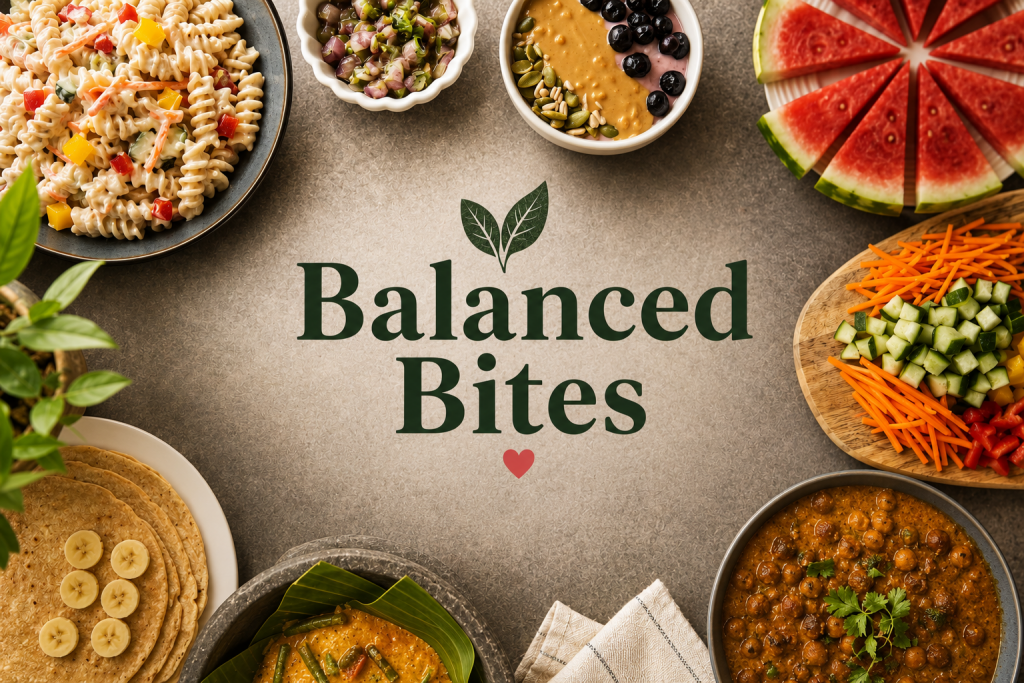
What helped me regulate my glucose levels most was creating balanced meals that included:
- Plenty of fruits / vegetables
- Moderate portions of carbs like millets, quinoa, and sometimes rice or chapati
- A good protein source
- Yogurt or other satisfying additions
- Most importantly, staying hydrated and drinking enough water throughout the day
This combination helped me feel fuller, more energized, and supported steadier energy levels throughout the day.
More Than Just a Diagnosis
I am no longer diabetic, but I’m grateful for that phase of life because it completely changed the way I view nutrition — not just for myself, but for my family too.
I still eat rice, chapati, and even pasta. The difference is that now I understand balance, portion awareness, and how to build meals that keep me satisfied and energized. Instead of removing the foods I loved, I learned how to enjoy them differently.
And honestly, this way of eating keeps me fuller and far more satisfied than the way I used to eat before.
I no longer feel trapped in the cycle of constant cravings, energy crashes, and overeating. What once felt like a difficult phase ultimately introduced me to a healthier and more sustainable lifestyle.
Why I Started Balanced Bites
I created Balanced Bites to share my experiences and research on realistic, balanced, and approachable ways of eating — especially for people who feel overwhelmed by all the conflicting nutrition advice online.
You don’t need to completely eliminate your favorite foods to feel healthier. Sometimes small changes, mindful portions, and balanced meals can make a huge difference. Because balance is something we can maintain — and that’s what truly matters.
Welcome to Balanced Bites. 🍓